True Crimne Chronicles: Early 20th -century case proves crazy women in Oklahoma really nothing new
- Dennis McCaslin
- 3 minutes ago
- 3 min read


Over 100 years ago, at the crossroads of jealousy, insanity, and unfortunate circumstance, a murder shattered the quiet of Haskell County, Oklahoma. In the rural, isolated farm communities near Stigler in September 1922, neighbors knew each other’s business, and gossip traveled fast.
What began as whispered suspicions between two women ended in gunfire at a cow lot gate, leaving an indelible mark that stretched from a sensational local trial into nearly two decades of confinement in a state insane asylum.
On Wednesday, September 20, 1922, Mrs. Nancy Parker, wife of Albert Parker, was shot and killed near the Spears family cabin. Contemporary reports in the Stigler News Sentinel described a masked assailant who ambushed her while she and her 12-year-old half-sister, Otel Snow, were milking at the cow lot gate.
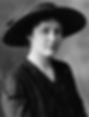
Parker, a local mother, died within minutes from wounds to the head and neck inflicted by a .38-caliber pistol.
The newspaper published dramatic photos of the actual cow lot gate where the killing took place, along with a portrait of Mrs. Elbert (Jennie) Spears in jail awaiting her preliminary hearing.
Evidence mounted quickly against Mrs. Jennie Spears. Footprints matching the scene, a discarded cambric mask, connections to the pistol, bloodhound tracking leading directly to the Spears property, and the horse’s shoes having been removed from the front hooves all pointed toward her. Officers found additional physical clues linking the scene to the Spears cabin.

The Sentinel reported that some witnesses described the masked person as a “little short man,” yet investigators tied the crime directly to Spears through circumstantial evidence, including her actions and statements.
John Mouser, connected through neighborhood gossip and briefly suspected due to rumored romantic entanglements, was arrested but later released on bond.
Newspaper coverage on page two of the September 28, 1922 edition framed the killing as rooted in jealousy and unfortunate circumstance.

Spears allegedly suspected Nancy Parker of romantic interest in her husband Elbert (or possibly Mouser). Rumors and neighborhood gossip appear to have fueled paranoia. One headline asked pointedly: “Was Mrs. Parker Innocent Victim of Circumstances?” — hinting that mistaken identity or exaggerated suspicions may have played a role in the deadly confrontation.

Detailed accounts described how the assailant fired at close range, with the victim collapsing near the gate. Neighbors and officers recounted the scene, including the rapid response and the gathering of evidence such as the mask and footprints.
The preliminary hearing drew enormous crowds, packing the courtroom with locals eager for every detail of the dramatic case. The intense atmosphere and graphic testimony tested the nerves of many in attendance, adding to the sensational tone of the proceedings as reported in the Stigler News Sentinel.
In the pages of the paper from late September and early October 1922, the story unfolded alongside everyday small-town news of Ku Klux Klan initiations, school events, fairs, and advertisements for everything from Ford cars to patent medicines.

Spears was arrested promptly and held without bail. By early 1923, she had been convicted. Penitentiary officials examined her, and reports referenced her mental state. Rather than (or in addition to) standard imprisonment, she was committed to the Oklahoma state insane asylum. Diagnoses of the era--sometimes labeled “moral insanity” or similar terms for conditions involving jealousy-driven violence or psychological breakdown--often led to long-term institutionalization.
Jennie Spears would spend nearly 17 years in the facility, her life effectively ending behind institutional walls far from the Oklahoma countryside that had defined it. She died in the asylum around 1939–1940, more than a decade and a half after pulling the trigger in a moment that forever altered two families.

The Spears-Parker case captures the raw edges of 1920s rural Oklahoma: a time of close communities where personal grudges could turn deadly, where mental health understanding was limited, and where the justice system sometimes chose confinement over other remedies. It was an era before modern forensics or psychological defenses fully evolved, when “unfortunate circumstance” could mean the difference between life and a lifetime lost.
Nancy Parker’s death left a grieving family in a town that moved on. Jennie Spears’ path from jealous suspect to convicted murderer to long-term asylum patient ended quietly, her story preserved mainly in yellowed newspaper pages. Today, over a century later, the crossroads where jealousy, circumstance, and untreated mental strain met still serve as a haunting reminder. In Haskell County, the cowlot gate is long gone—but the tale of that September day lingers as a chapter in Oklahoma’s darker history of passion, violence, and consequence.
