True Crime Chronicle: Justice was delayed-but not denied-in almost 30-year McCurtain County mystery
- Dennis McCaslin

- Jul 9
- 2 min read


John Wesley Smith stood accused in McCurtain County district court of killing John Randall O’Steen more than 29 years earlier.
The case that resolved in late 2022 began with O’Steen’s disappearance in February 1993 in rural southeastern Oklahoma.
O’Steen was a local man from McCurtain County. He vanished under circumstances that gave his family and authorities little to go on at first. Months later, on May 20, 1993, an anonymous caller told the McCurtain County Sheriff’s Office where to look. Investigators, aided by the Oklahoma State Bureau of Investigation, searched a remote wooded area south and east of the Pankibok Community.

They found skeletonized human remains after several days.
The medical examiner ruled the death a homicide. The exact cause was hard to determine from the bones, though later reports indicated O’Steen had been shot in the head.

From the beginning, investigators believed the killer was someone close to O’Steen or connected through local ties. The case went cold for years despite occasional reviews. In 2012, a rib bone from the remains was sent to the University of North Texas Department of Forensic and Investigative Genetics. DNA from O’Steen’s parents matched the sample, confirming the victim’s identity and restarting the investigation.
Detectives re-examined old witness statements. Evidence pointed to John Wesley Smith, 51, of Eagletown, as the main suspect. Smith had connections to the area and to O’Steen’s final days.

On September 30, 2022, OSBI agents and Oklahoma Highway Patrol officers arrested Smith without incident. He was booked into the McCurtain County jail on a first-degree murder charge and held without bond.
According to court records and OSBI statements, Smith confronted O’Steen over personal matters that turned violent. Witnesses told investigators Smith had referred to O’Steen as a “snitch” and allegedly made statements about using the victim’s head as a bong to smoke marijuana after the killing. The dispute appeared rooted in typical small-community tensions and grudges common in the Pankibok area.
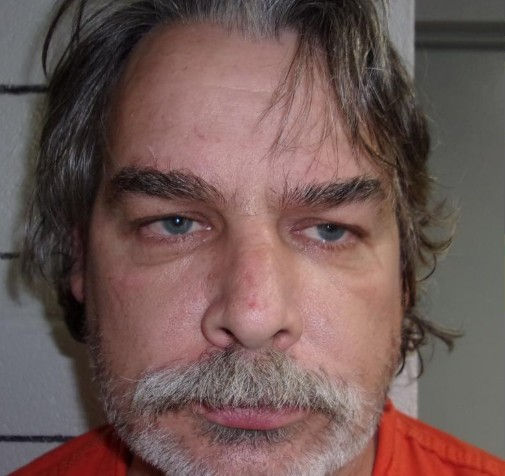
The prosecution relied on the DNA identification, the anonymous tip that led searchers to the body, and evidence of opportunity and connection between Smith and O’Steen. The condition of the remains and the remote location suggested the body was hidden to delay discovery. No signs pointed to extensive planning — it looked like a spontaneous confrontation.
Smith faced first-degree murder charges, which carry the possibility of life in prison under Oklahoma law.
The case was resolved through court proceedings without a full public trial on all details. The resolution provided answers for O’Steen’s family after nearly three decades.
This case is one of several cold cases in McCurtain County that show the difficulties of investigating crimes in rural areas and the role of modern forensics in solving them. The combination of an old tip, DNA evidence, and persistent detective work eventually led to the arrest and conviction.


