Our Arklahoma Heritage:
- Dennis McCaslin

- 42 minutes ago
- 3 min read
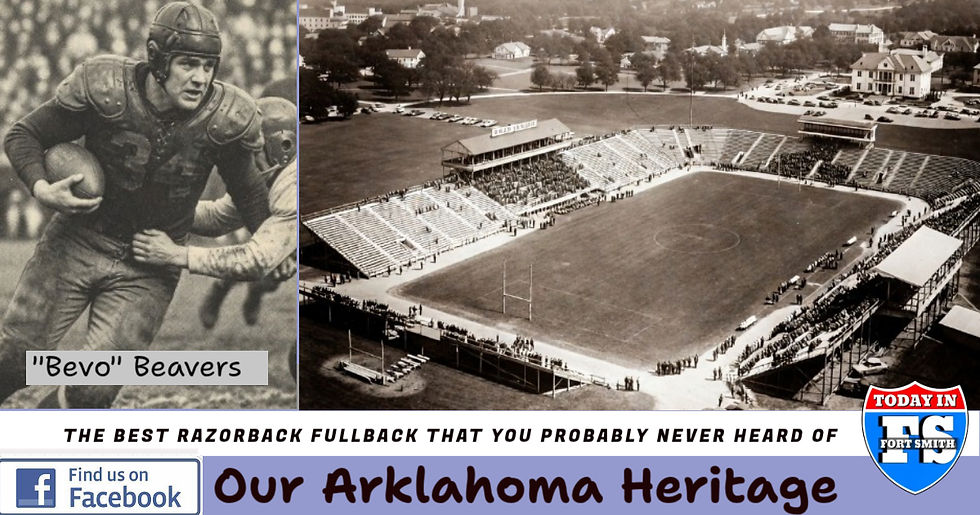

In the late 1920s, long before the Razorbacks became a household name in the SEC, a rugged fullback from the tiny mountain town of Mena powered one of the most exciting offenses in the Southwest Conference.
Garland “Bevo” Beavers wasn’t flashy. He wasn’t a household name outside of Fayetteville and the old SWC circuit. B
ut for one golden season in 1928, he was the most outstanding player in the conference -- a bruising, touchdown-scoring machine who embodied the tough, no-nonsense football of his era.
Born on March 9, 1906, in Mena, Beavers grew up in a place where grit came naturally.
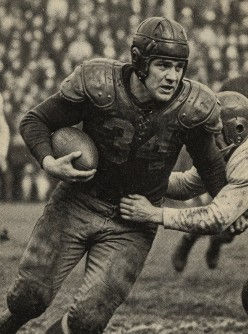
As a high school tackle for the local team, he earned a reputation as a “hard fighter and accurate tackler.” That blue-collar intensity followed him to the University of Arkansas, where he lined up at fullback for the Razorbacks from 1926 to 1928.
In those days, the fullback wasn’t just a runner-- he was a battering ram, a lead blocker, and often the heart of the offense.
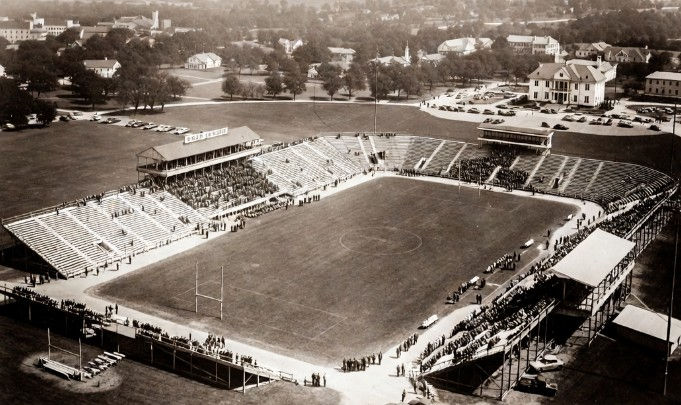
The 1928 season was special. Under head coach Francis Schmidt in his final year with the program, the Razorbacks posted a strong 7–2 record, going 2–1 in Southwest Conference play and finishing second in the league.
hey shut out five opponents and outscored their foes 251–63 overall.
Beavers was the clear offensive star. He led the team with 13 touchdowns -- good for 78 points in an era when extra points and field goals were far less automatic -- and earned first-team All-SWC honors at fullback.
His crowning achievement came when he was named the recipient of the Houston Post Award as the Southwest Conference’s Outstanding Player of the Year, essentially the conference MVP.
In the days before the Heisman Trophy dominated the national conversation, this was one of the highest individual honors a player in the region could earn.
Beavers capped a three-year letterman career with that recognition, proving that a kid from rural Arkansas could stand tall alongside the best in Texas, Oklahoma, and beyond.
After college, Beavers didn’t fade quietly into civilian life. He took his talents to the early professional ranks, playing for the Memphis Tigers, an independent barnstorming team in the rough-and-tumble pre-modern NFL landscape.
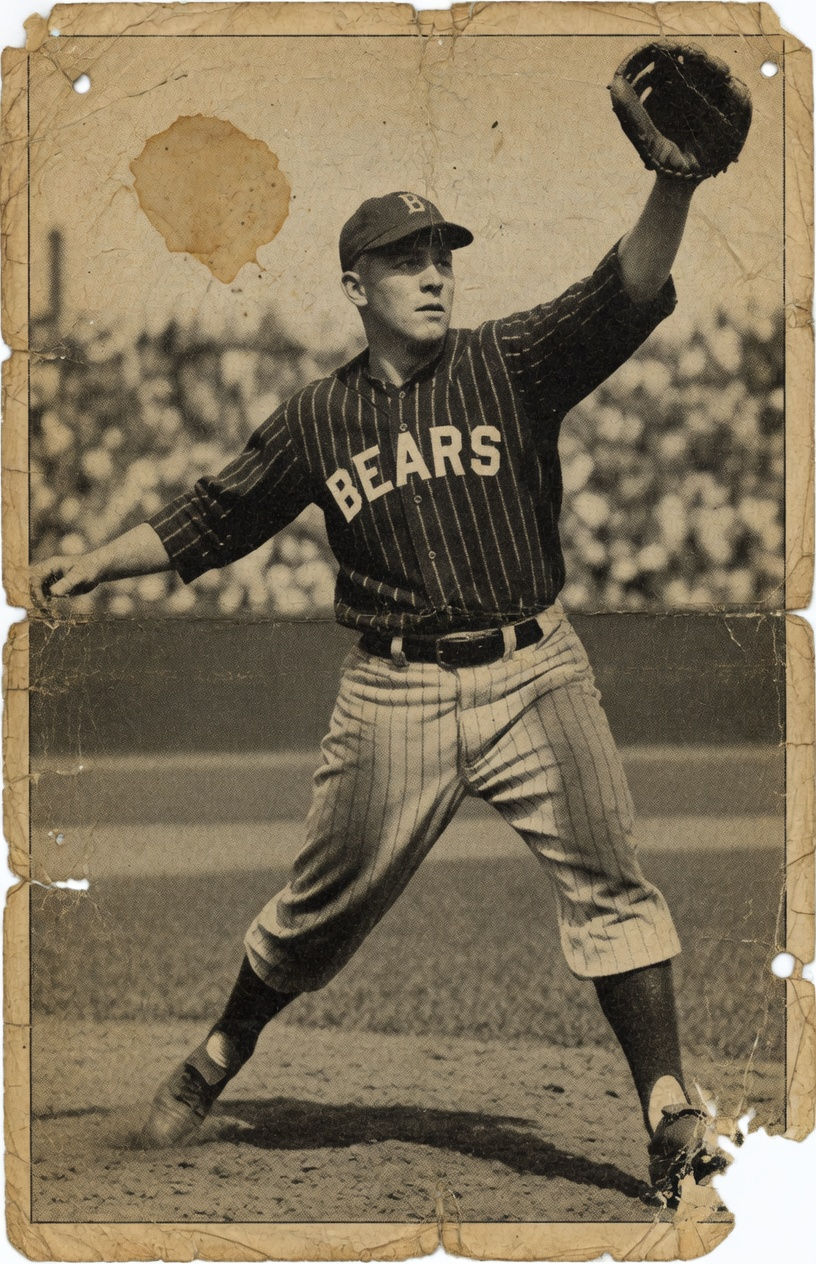
Newspaper accounts from the time show him pounding the ball as a fullback, including key contributions in close games against tough competition like the Chicago Bears and Hominy Indians.
He was the kind of reliable, hard-nosed back who could grind out yards when games got tight.
His athletic journey didn’t stop at football. Beavers had a brief professional baseball stint as an outfielder in the New York Giants organization.
Contemporary reports noted his popularity with fans before he ultimately hung up his glove to take a steady job, a practical choice common for athletes of that generation who couldn’t yet make a full living from sports alone.
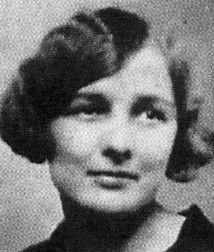
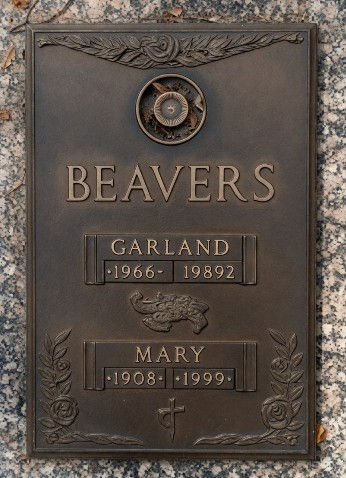
On August 23, 1931, he married Mary Cassie Blakeburn in Mena. The couple would spend decades together; their shared headstone in Sylvan Abbey Memorial Park in Clearwater, Florida, carries the simple, touching inscription “TOGETHER FOREVER.”
Beavers passed away on October 1, 1989, at age 83, in the Safety Harbor/Clearwater area of Florida. He is buried in the Garden of the Apostles section of the cemetery.
Today, Garland “Bevo” Beavers is largely a footnote in Razorback history , mentioned in old media guides and record books alongside legends like Wear Schoonover and later stars.
Yet his 1928 season remains impressive: leading the team in scoring, earning All-Conference first-team recognition, and claiming the Houston Post Award as the SWC’s top player.
In an era of smaller rosters, leather helmets, and pure physicality, he represented the best of Arkansas football -- tough, productive, and rooted in the hills of Polk County.
Beavers never chased the spotlight. He came from a small town, played hard, achieved at the highest level available to him, and then built a life beyond the game. In the long, proud lineage of Razorback greats, his story reminds us that greatness doesn’t always come with modern hype or million-dollar contracts.
Sometimes it just shows up on fall Saturdays, carrying the ball 13 times into the end zone and earning the quiet respect of an entire conference.