True Crime Chronicles: Missouri horse thieves crossed the border "one last time" in October of 1898
- Dennis McCaslin

- Nov 22, 2025
- 2 min read


It was October 26, 1878, and the Ozarks still smelled of gunpowder and Reconstruction bitterness when two Missouri horse thieves crossed the line for one last time.
Out on the western flank of Carroll County, where the pines grow tall enough to hide a man’s sins, a hard-riding pair known only as Newton and Hayes came thundering across Franzisca Haneke Massman’s timber empire. Their mounts were lathered and stolen, the brands still fresh from some southwest Missouri ranch.
Horse stealing on the border wasn’t petty crime in ’78--it was slow murder. Strip a man of his stock and you stripped him of everything but the dirt under his boots
.Six riders weren’t far behind. No badges, just grim faces under sweat-stained hats and coils of Manila rope that hadn’t come for branding calves.
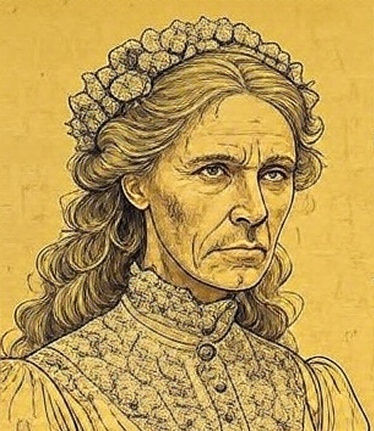
Franzisca Massman, a fifty-something, thrice-widowed, and tougher than the pine she milled, watched the whole drama unfold from her sawdust yard. She owned thirty-two claims in those hills, ran steam engines and crews of axmen, and didn’t scare easy.
When the chase tore past her mill, she did what any self-respecting frontier woman would do: she saddled up and rode out to check on her lumberjacks. On the way she passed the eight men under a giant yellow pine, two thieves on their knees, six citizens doing the talking.
Words were short, voices low. When she rode by again two hours later, the talking was over.

Newton and Hayes hung twenty feet off the ground, boots twitching their last against the Arkansas sky.
Massman’s story hit the Arkansas Gazette like a load of buckshot. The headline screamed clear across the country: “ARKANSAS JUSTICE—How They Square Accounts with Horse Thieves in Arkansas.”
Eastern papers clutched pearls; Ozark stockmen nodded and checked their cinches.
No inquest worth the name was ever held. Constables cut the bodies down by lantern light, scratched shallow graves beside the trace, and that was that. The vigilantes melted back into the cedar brakes. Names were never asked, never given.

In 1878 Carroll County, some questions were healthier left unasked.
Ride out to Grindstone Mountain today and the giant pine is long gone, felled for railroad ties or wartime barracks, most likely. The shallow mounds have washed away under a century and a half of rain.
But every old-timer from Green Forest to Berryville can point you to the ridge and tell you, quiet-like, “That’s where they settled the account.”
In the end, the rope did the judging, the pine did the sentencing, and the wind through the Ozarks carried the verdict away.
Some call it lynching. Others call it the only law that worked when courts were three days’ ride away and a man’s horse was his life.
Out here, 146 years later, folks still understand the difference.


