True Crime Chronicles: Carroll County domestic murder exposes deadly failure of "protection order" court system
- Dennis McCaslin

- May 27
- 3 min read


Victor Hugo Acuna, born February 6, 1994, entered the Arkansas Department of Correction on October 6, 2014, to serve a 25-year sentence for first-degree murder, along with concurrent terms for aggravated residential burglary and aggravated assault on a family or household member.
Now 32 years old and housed at the Varner Supermax Unit, the Hispanic man stands 5 feet 9 inches tall and weighs 194 pounds with black hair and brown eyes. He arrived with a history of domestic violence and a juvenile record noted by authorities at the time of his arrest.

On New Year's Eve 2012, Acuna shot and killed his 21-year-old ex-girlfriend Laura Nayeli Aceves in her apartment near Eureka Springs in Carroll County. Aceves, a mother of three, including a five-month-old infant who was present in the home at the time of the shooting, was found in a pool of blood after a friend discovered her around 12:40 p.m. on December 31.
She died from a single gunshot wound to the head, apparently from a .22-caliber handgun. Paramedics transported her to Mercy Hospital in Rogers, where she was pronounced dead.

Acuna, then 18 and living in Berryville, had a documented history of violence toward Aceves. She had obtained a protective order against him earlier that year after alleging ongoing abuse, including attempts to control her by taking her belongings or those of her family whenever she tried to leave.
The couple had dated and lived together, and Aceves was pregnant with his child at one point. On the day of the murder, investigators found Acuna hiding in the shower at his home in pajamas with the suspected murder weapon on the floor nearby. He had been released from jail just weeks earlier on related charges involving violation of the no-contact order.
Acuna initially faced capital murder charges. Evidence issues led to a plea agreement in October 2014, under which he admitted guilt to first-degree murder and received the 25-year sentence.

Aceves's mother, Laura Ponce, had waited nearly two years for some measure of accountability, highlighting the case as part of broader concerns about domestic violence in Arkansas.
Since entering prison, Acuna has compiled an extensive disciplinary record marked by repeated rule violations across more than a decade. His major guilty findings include multiple instances of battery, such as incidents on December 4, 2017, July 6, 2016, January 3, 2018, and October 26, 2021.
He has faced numerous charges for possession or manufacture of contraband, occurring on dates including November 14, 2015, October 20, 2016, May 4, 2021, September 6, 2023 (twice), September 5, 2023, August 26, 2024, and September 6, 2025. Unauthorized use of state property or supplies appears several times, alongside failure to obey orders and refusing direct verbal orders on many occasions spanning 2016 through 2026.
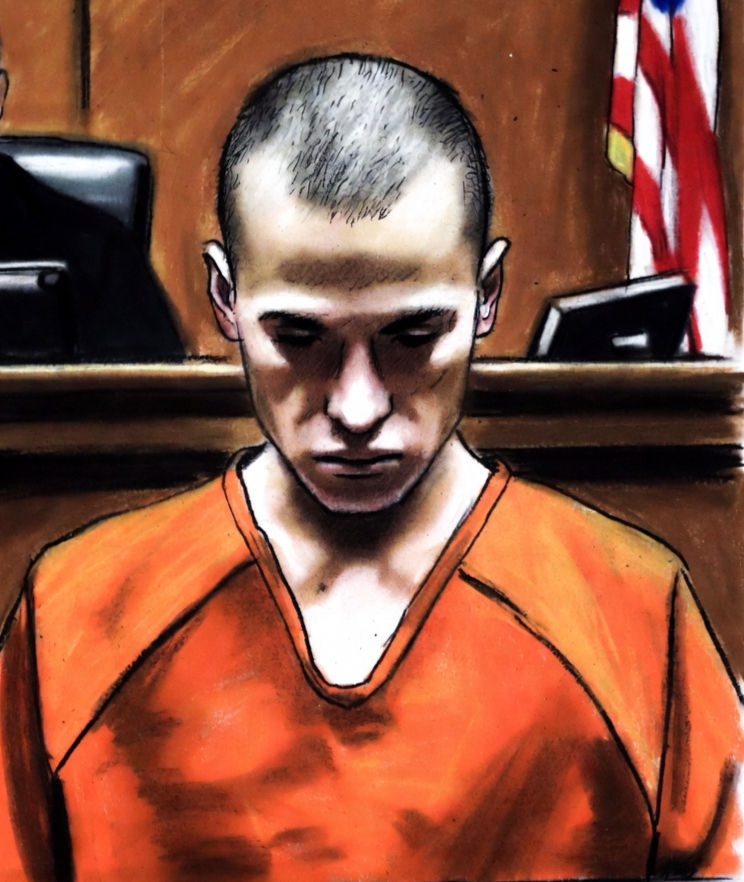
Other recurring infractions involve unexcused absences from assignments, with clusters in 2023 including multiple dates in July and August. He has been cited for resisting apprehension, provoking fights, group disruption, lying to staff, trafficking and trading, throwing substances, interfering with count, setting fires or tampering with detection equipment, unauthorized communication, theft of stolen property, escape attempts, refusal of substance abuse testing, and threats to inflict injury.
Recent violations extend into 2025 and early 2026, reflecting ongoing issues with compliance even in a maximum-security environment.

His custody level remains high at C4 with good time class IV, projecting a release eligibility around July 2030.
Acuna's case drew attention for its tragic elements, including the young victim's efforts to escape an abusive relationship and the presence of her infant during the fatal attack. It contributed to local discussions on domestic violence prevention, with some community members establishing support initiatives in Aceves's memory.
His continued disciplinary problems inside prison illustrate the challenges of managing violent offenders over long sentences.


