Stone Gardens: Salt of the earth Newton County doctor perfected the process that led to the iodination of table salt
- Dennis McCaslin

- Mar 13
- 3 min read
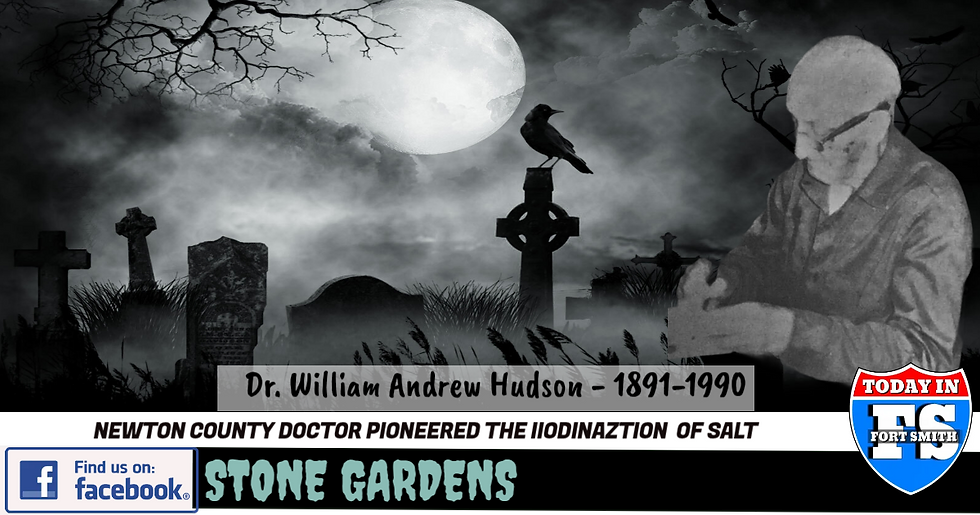


Dr. William Andrew Hudson was born on February 23, 1891, near Jasper in Newton County,/
He grew up in an area where iodine deficiency caused widespread goiter. His research on iodine levels in blood contributed to the understanding of thyroid function and helped lead to the commercial production of iodized table salt in 1924 by Morton Salt Company.
This development reduced goiter rates across the United States and prevented many cases of hypothyroidism and related conditions.
Hs family had deep roots in the region. His paternal grandfather, Samuel Hudson, arrived in Newton County around 1828 from Tennessee as one of the early white settlers.
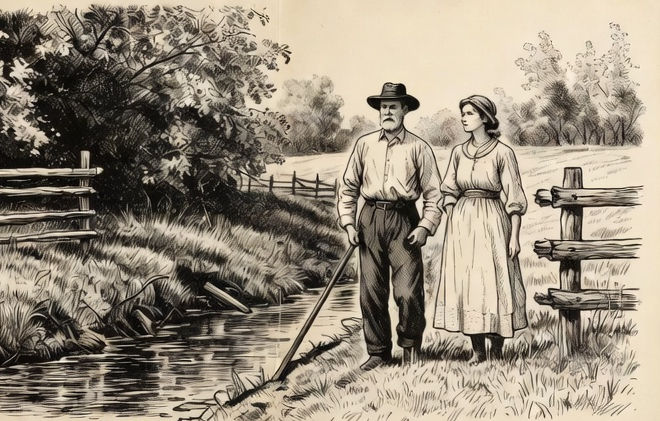
Samuel married Nancy Bellah in 1832, claimed land near a creek, and worked as a farmer and stockraiser. He raised a large family and lived through the Civil War period in the county.
William's father, James Spring Hudson (1857-1941), farmed in Jackson Township near Jasper. He married Samantha Carlin Hudson (1867-1958). Census records from 1900 and 1910 place the family in that township. William grew up with the practical life of rural Ozark farming and local schools.

He married Benta Viola Whitaker in June 1920 in St. Louis, Missouri, soon after completing medical school. They lived mainly in Detroit during his main career years. Records show no children. In later life he returned to Jasper and practiced medicine there until retiring in 1987. People in the area knew him as Doc Hudson. He is buried in Hudson Cemetery in Jasper near his parents.
William attended local public schools in Newton County. In 1909 he went to Sedalia, Missouri, for high school and graduated with honors in 1914. He received a scholarship to study pre-med at Washington University in St. Louis.
World War I service began when he enlisted in the U.S. Army on September 18, 1917. He was discharged on November 26, 1918.

He finished his Bachelor of Science in 1918, Doctor of Medicine in 1920, and Master of Science in Medicine in 1922 at Washington University.
After graduation he trained as an intern and resident at Royal Victoria Hospital in Montreal under Dr. Edward Archibald, a thoracic surgery specialist. In 1923 he joined Henry Ford Hospital in Detroit and began specializing in thoracic surgery in 1926. He taught at the Ford Hospital School of Nursing and completed further training at the Trudeau School, the Chevalier Jackson Course, and European clinics.
With collaborator Mr. Hasley he developed the Cine-X Camera, an early system for motion-picture X-rays of the respiratory system. During World War II he reviewed X-rays for Michigan draft boards. Some accounts mention he diagnosed lung cancer in the King of England based on his expertise.
He contributed to medical publications and had ties to work with the American Board of Chest Surgery.H
is research on iodine deficiency came from observations of goiter in the Ozarks, where low soil iodine affected thyroid health.
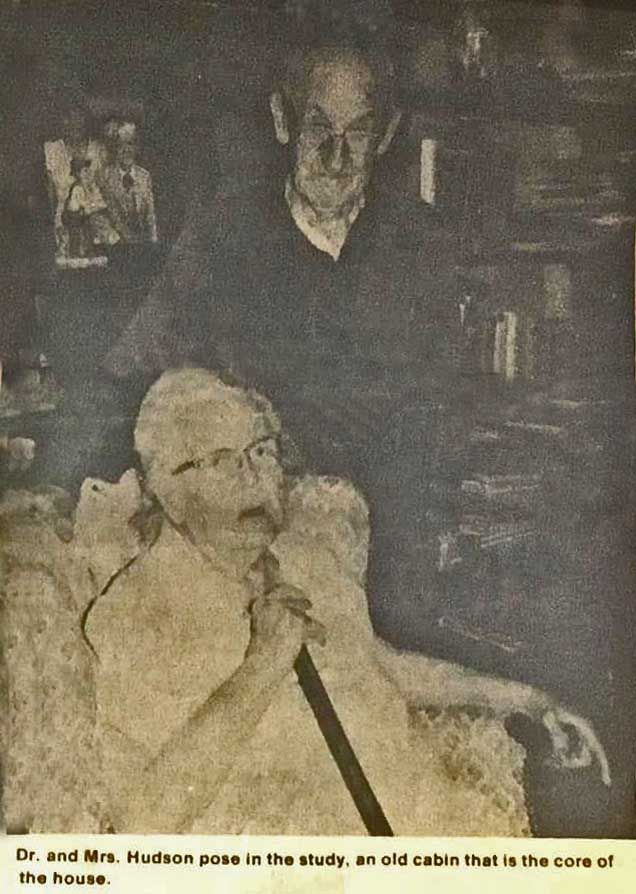
He measured iodine in human blood to provide data on deficiency and thyroid function. Local sources credit his work with influencing the move to add iodine to salt. While Dr. David Marine's experiments in Michigan received wider recognition for prevention trials, Hudson's blood studies are noted in Arkansas records as supporting the science behind iodization.
Salt iodization became a major public health step that lowered goiter incidence nationwide.
He died on May 4, 1990, in Jasper at age 99. His obituary appeared in papers such as the Springfield News-Leader. He was buried in Hudson Cemetery, near Jasper in Newton County,,
This small family cemetery is located on what was originally the Dr. William A. Hudson farm (or family land), along State Highway 375 between Jasper and Parthenon.
He is interred there alongside other family members, such as his parents, reflecting his lifelong ties to the area despite his career travels.

He continued local medical work until close to the end.His contributions remain in the use of iodized salt, which has helped prevent thyroid disorders for generations.
Jasper and Newton County recognize him in local histories and the Encyclopedia of Arkansas for his role in standardizing iodized salt. The Cine-X Camera improved respiratory imaging techniques.
His career combined thoracic surgery advances with public health impact from his home region.


