Stone Gardens: Bolinger Cemetery in rural Madison County hosts early pioneers including William J. Bolinger
- Dennis McCaslin

- Dec 29, 2025
- 2 min read


In the hushed valleys and rugged ridges of Madison County, , lies a quiet testament to the pioneering spirit of the Ozark region: the Bolinger Cemetery.
Tucked away on family land near the small community of Loy, this modest burial ground holds the stories of generations who tamed the wilderness and built lives from the rocky soil.
At its heart rests William Jasper Bolinger (1844–1912), a lifelong farmer whose unassuming grave marks the center of a family tapestry woven through frontier settlement, civil strife, and Reconstruction.
Born on February 12, 1844, in the Wharton area of Madison County, just eight years after Arkansas achieved statehood, William Jasper grew up amid the great westward push into the Ozarks.
His parents, Henry Hunter Bolinger (1808–1895) and Nancy Palestine Boatright Bolinger (1818–1892), had migrated from Tennessee, part of a wave of southern families seeking fertile valleys and timber-rich hills.

The Bolinger name traces back to German roots (variants like Bollinger or Bohlinger), carried across the Atlantic by early immigrants who eventually settled the Appalachian and Ozark frontiers.
William was one of nine children in a bustling household typical of the era: siblings included Elizabeth, Isaac Newton ("Newt"), Sarah Catherine, Milly, Catherine, Henry Harvey ("Harry"), Frederick Harrison, and David Leander.
Large families were essential on subsistence farms, where every hand helped clear land, tend crops, and raise livestock.

The Civil War cast a long shadow over young William's formative years. At age 17 when hostilities erupted, he lived in a divided Arkansas, which was officially Confederate yet with strong Union leanings in the northern mountains.
Rural Ozark boys often joined local militias or home guards rather than formal armies, and no definitive service record exists for William, though family lore occasionally hints at veteran status.
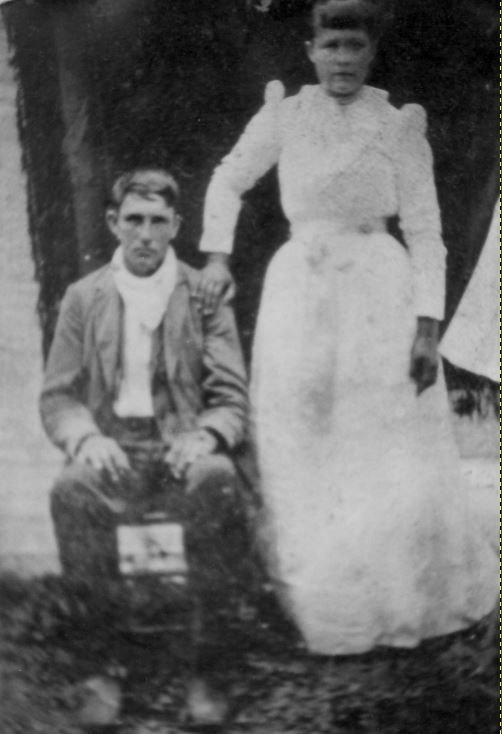
The war brought hardship: guerrilla raids, scarcity, and fractured communities. Yet the Bolingers endured, farming the steep slopes of Bowen and Wharton Townships.
In 1866, shortly after peace returned, William married Berthena Williams (1843–1916).
Their union, lasting nearly half a century, produced at least six or seven children, including daughter Nancy Alice (1867–1944) and son Isaac Newton.
Descendants scattered but many stayed rooted in Madison County, tending the same lands their ancestors claimed.
William spent his 68 years as a farmer, coaxing corn, livestock, and orchards from the thin Ozark soil. He died on May 12, 1912, in Loy, and was laid to rest in the family cemeter, a small, private plot with around 61 interments, mostly Bolingers, Whortons, and Williamses.

Berthena joined him four years later, buried beside her husband beneath the oaks and cedars.
Today, the Bolinger Cemetery endures as a serene "stone garden" with weathered markers amid wildflowers and forest shadows, evoking the quiet dignity of pioneer life.
Gravestones here, some hand-carved and timeworn, whisper of interconnected families bound to the land.
Similar small family plots dot the Ozarks, often sheltered by simple wooden "grave houses" or nestled on hillsides overlooking valleys farmed for generations.
William Jasper Bolinger's story is the Ozarks' story: one of steadfast roots, enduring hardship, and deep ties to place.
In an age of upheaval, he chose the rhythm of seasons and soil—a legacy etched not in grand monuments, but in the enduring stones of home.


