Stone gardens: A drunk driving stop, a fatal shot and the death of a Scott County farmer in 1940
- Dennis McCaslin

- 2 days ago
- 2 min read


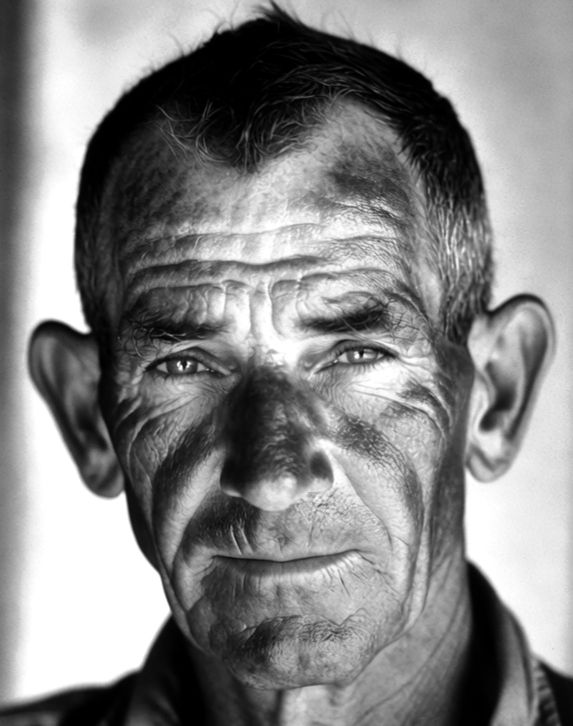
Harrison A. Defoor was born on August 16, 1886, and worked as a farmer near the lumber town of Forrester in Scott County. Forrester had developed in the late 1920s through the efforts of the Caddo River Lumber Company, which built mills and supporting facilities that drew workers and local families into the southeastern part of the county.
Defoor was married to Zena A. Miller Defoor and belonged to a Defoor family with deep roots in the area. Big Cedar Cemetery, also known as Forrester Cemetery, began as a private burying ground for the Defoor family in 1884and later accepted other interments.

At least a dozen Defoor relatives rest there alongside him, including T. B. Defoor, a Confederate veteran of the Civil War, along with Amanda Louisa, Elmer, Henry, Jimmie, Lula, Mary Elizabeth, Ray, W. A., Wilbert, and several infants.
On Saturday afternoon, July 6, 1940, around four o’clock, Defoor was a passenger in a car driven by Lewis Hogue, a twenty-six-year-old employee of the Caddo River Lumber Company. The two were traveling on the Parks-Forrester road about five miles east of Forrester.
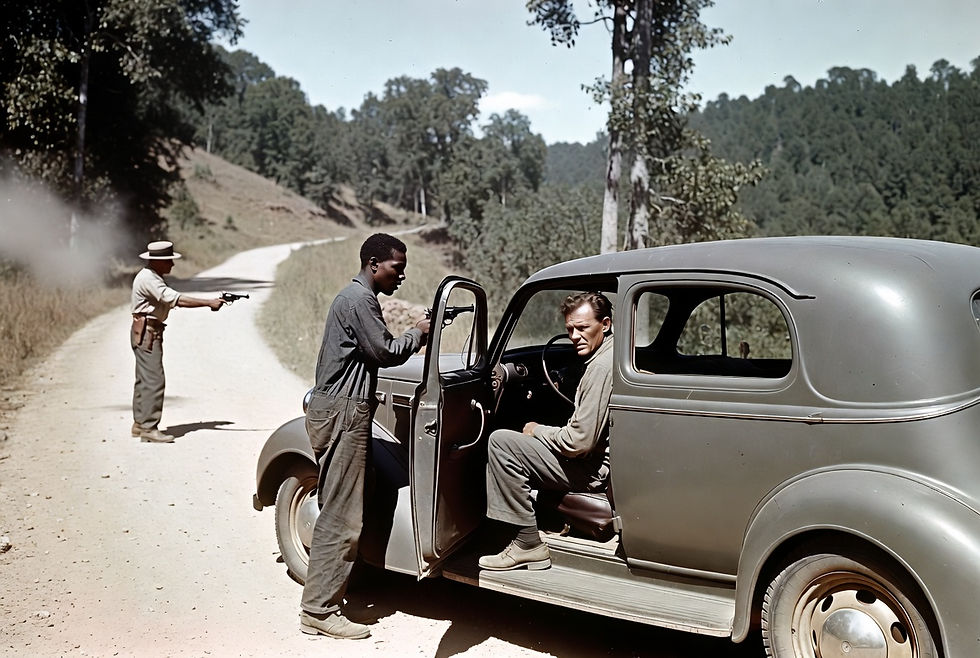
Forrester City Marshal D. S. Bray began a chase because he believed Hogue was driving while intoxicated. The pursuit covered about five miles. Bray fired a warning shot into the air. Hogue stopped the car, jumped out with a drawn gun, and Bray fired at him. The bullet passed through Hogue’s jaw and struck Defoor, who had stayed inside the vehicle, in the temple. Defoor died instantly.
Hogue was taken to a hospital in Hot Springs in critical condition. Sheriff W. S. Rice of Waldron, who served as Scott County sheriff from 1939 to 1942 after earlier work as a farmer, truck operator, and state representative, examined the scene. He found two quarts of liquor in Hogue’s car and concluded that Bray had acted in self-defense. No arrest was made of the marshal that night.

Defoor left a wife, three children, and several siblings along with other relatives. He was buried in Big Cedar Cemetery among the many members of his extended family already interred there.
Available records contain no further details on Lewis Hogue’s recovery, any later arrest or charges related to the incident, or additional actions involving Marshal Bray.
The event stands as a sudden collision of rural life, a suspected drunk-driving stop, and a single shot that ended one man’s life while leaving the full outcome for the wounded driver unrecorded in surviving public accounts.