Purple Heart Recipient: Leflore County soldier died August 14, 1970, in the central Vietnam province of Quang Ngai


Sergeant Sherman Felton Armstrong was born on March 25, 1949, in Poteau'
Those who knew him rarely used his full name. To them he was Bo, a young man whose presence carried an easy warmth. He grew up in the simplicity of Poteau life, surrounded by siblings who would later become the keepers of his memory.
Before he ever put on a uniform, he married Barbara K. Armstrong and began building the life he expected to return to.
When the draft notice arrived, he answered it without ceremony. The Army trained him as an infantryman, and he rose to the rank of sergeant. His assignment placed him with Company C of the 1st Battalion, 20th Infantry Regiment, part of the 11th Infantry Brigade in the Americal Division.

On October 7, 1969, he stepped onto Vietnamese soil for the first time, carrying the weight of a job that demanded more of him than anyone back home could fully imagine.
The months that followed were marked by the steady grind of patrols through Quang Ngai Province, a region where danger often hid in the ground itself. On August 14, 1970, during one of those patrols, an explosive device ended his life at the age of twenty‑one.
Two other soldiers from his unit, First Lieutenant Franklin K. Nelson of Texas and Corporal Harold D. Hollifield of North Carolina, died in the same moment. The Army recovered Bo’s remains and returned him to the county that had shaped him.
His family, who were listed as Spiro residents at the time of his death, buried him in Oakland Cemetery in Poteau, a place where relatives could visit without traveling far, and where his name would rest among others who had built the community.
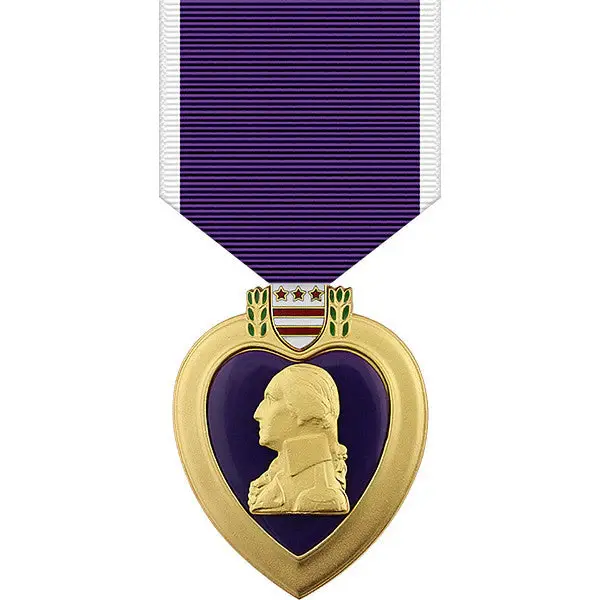
The Army awarded him the Purple Heart after his death, along with the National Defense Service Medal, the Vietnam Service Medal, and the Republic of Vietnam Campaign Medal. His name was later carved into the Vietnam Veterans Memorial in Washington, D.C., on Panel 8W, Line 110, joining thousands of others whose stories ended before they could return home.
In Le Flore County’s historical compilations, he appears as one of only two soldiers from Poteau who died in the Vietnam War, a distinction that underscores how deeply his absence was felt.

The family’s lineage stretches through the county’s history, touching the same ground walked by earlier generations, including those connected to the long tradition of Choctaw code talkers. Bo’s story fits into that larger arc of service, sacrifice, and identity.
His burial place, his medals, and the records that document his final day form the factual outline, but the heart of the story lives in the people who still speak his name. They remember the young man who left Poteau with a sense of duty and never returned, and they continue to shape the narrative of who he was and what he meant.


