Our Arklahoma Heritage: From accused robbery suspect to respected lawman and public servant- Sam Rdienhour
- Dennis McCaslin

- 8 hours ago
- 3 min read


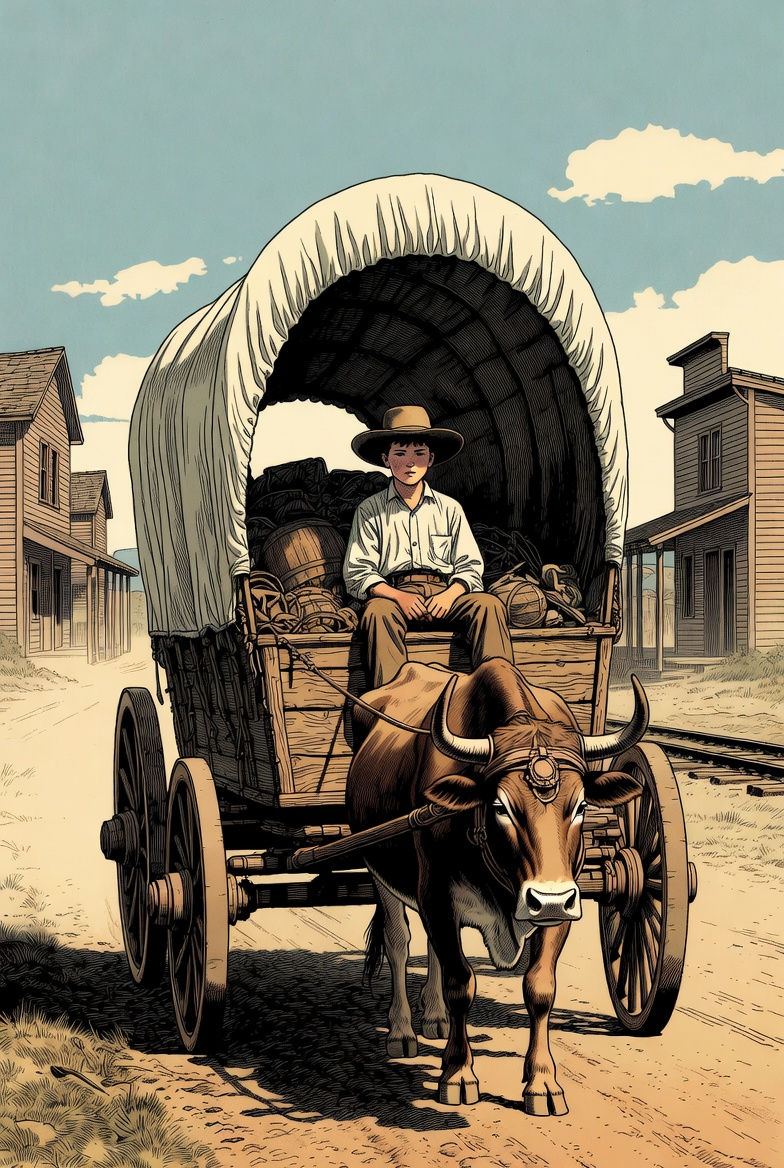
Sam Ridenhour arrived in Vinita as a boy of about seven around 1870, after his family left Arkansas for the Cherokee Nation in Indian Territory.
Born Henry Elijah Ridenhour on February 22 1863 in Marion County Tennessee to William Hinton Ridenhour and Elizabeth Jane Mears he grew up in a time when the area still carried the raw edges of frontier settlement. The family settled amid the railroads that were pushing through and the mix of Cherokee citizens white settlers and itinerant workers that defined the territory.
Details on his parents and siblings remain limited in public records but the move positioned young Sam in a growing rail town that would become the seat of Craig County.
He took on responsibility early. In the late 1880s, he rode horseback daily over a 30- mile route delivering United States mail from Vinita to Post Oak station. The job demanded reliability and knowledge of the land at a time when travel remained slow and sometimes risky.
By the early 1890s, he held a commission as deputy United States marshal. That role came after a case of mistaken identity in the 1899 Missouri, Kansas and Texas train robbery at Pryor Creek. Ridenhour and another man John Hodge, faced arrest, trial, and conviction because one of the actual robbers resembled Ridenhour. A condemned killer named Turlington, who had murdered the sheriff of Booneville, Missouri later confessed to the crime and cleared the pair.

Authorities responded by issuing Ridenhour an official commission. He spent several years patrolling the Cherokee Nation, handling the range of disputes and enforcement needs that came with territorial law.
Statehood in 1907 brought new structures. Voters elected Ridenhour as the first sheriff of Craig County. He served from 1907 to 1912, covering multiple terms that added up to roughly eight years initially, and returned for another term in 1921 1922 for a total of four terms. He enforced the law in a county transitioning from territorial ways to state institutions.
He also held the position of chief of police in Vinita for 15 terms across different stretches of his career. In later years he worked as custodian of the courthouse annex keeping order in the very building where he had once held higher authority.

Fire service formed another pillar of his public work. Ridenhour served for years as chief of the Vinita Fire Department. He drove the first team of fire horses the town used and that single team stayed in service until motor trucks replaced the animals. A 1909 photograph shows him with early equipment a tangible record of the shift from horse power to mechanical response.

He married Mary Elizabeth Brummett nd together they raised a family that put down roots in the area. Their children included sons Felix B. Ridenhour born around 1890 and Emmett Dalton Ridenhour, born 1893, and daughters Pansy, who married into the Alexander family and lived in Pryor, and Janet E., who married Frank Otis Cherrington and remained in Vinita.
Mary Elizabeth died in 1939. By the time of Sam's death, the couple had seven grandchildren and three great-grandchildren.
Ridenhour lived into his mid-eighties. He died in July 1949 at age 86 at the home of his daughter Mrs. Frank Cherrington in Vinita. He was buried in Fairview Cemetery in the same town that had been his home for nearly eight decades.
His career traced the arc from horseback mail carrier and territorial deputy marshal through the creation of Oklahoma state institutions and into the era of automobiles and modernized fire equipment. He held elected and appointed roles that kept him visible in daily community life for more than half a century.

Records describe him without exaggeration as a steady presence who moved through the mistaken -dentity episode without apparent bitterness and continued serving in multiple capacities.
In Vinita and Craig County his name was attached to the practical work of keeping order, delivering services, and protecting property across changing times.
The longevity of his involvement and the range of positions he filled mark him as one of the figures who helped anchor local government and public safety in the early decades of Oklahoma statehood.


