Our Arklahoma Heritage: Adventure in 1818 in the wild Ozarks spurred Schoolcraft's career in geology and anthropology
- Dennis McCaslin

- Oct 18, 2025
- 3 min read


In late 1818, Henry Rowe Schoolcraft, a 25-year-old geologist from New York, set out to explore the Ozark Mountains in Boone County. He left his father’s glass factory to chase rumors of lead mines and minerals in Missouri and Arkansas Territory.
He teamed up with Levi Pettibone, a rugged hunter who knew the wilderness. Their goal was to map the land and find ore, but it became a tough fight to survive.They started in Potosí, Missouri, with a wagon loaded with supplies: dried meat, cornmeal, a tent, and rifles.
By October, they reached Arkansas. Boone County was rough with steep hills, thick oak forests, and streams like the Strawberry River, which fed into the White River. On December 24, 1818, they struck camp in a small valley, pounding stakes into rocky ground for a basic tent.

Pettibone chopped wood for a fire, and Schoolcraft sketched the landscape of cliffs, caves, and creeks.
Camp life was brutal. They hunted deer for food, cooking over open fires. Rain soaked their gear, and a flood once swept away their supplies, forcing them to eat wild berries. Pettibone caught a fever, so Schoolcraft boiled roots for tea to help him recover.
By day, they climbed hills searching for lead deposits and took notes on rocks and plants. At night, they met local settlers, tough farmers in log cabins, who shared cornbread and stories of strange spirits in the woods.

Schoolcraft wrote these tales down, intrigued. They spent weeks in Boone County, moving along rivers and through forests. The settlers were poor but resourceful, growing corn and hunting. Schoolcraft called them lazy, a harsh view that stuck in his writings. By early 1819, he and Pettibone moved south, finishing their trip with rock samples and a notebook full of notes.
Back East, Schoolcraft published Journal of a Tour into the Interior of Missouri and Arkansaw in 1821. It described Boone County’s wild beauty of rugged hills and clear springs, putting the Ozarks on the map. The book reached readers in America and Europe, sparking interest in the frontier.
The Boone County trip was just the start for Schoolcraft. In 1820, he joined a Great Lakes mapping expedition, then became an Indian Agent in Michigan.
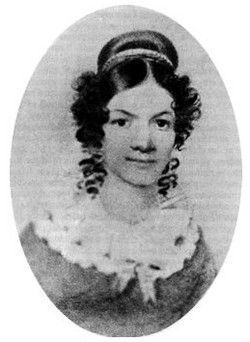
In 1823, he married Jane Johnston, an Ojibwe woman with Scots roots. Jane was a poet who helped Schoolcraft collect Native stories. They had two children: William, who died young, and Jane Anne, who became a teacher. After Jane’s death in 1842, Schoolcraft married Mary Howard in 1846.
He kept studying Native cultures and writing books.Schoolcraft’s biggest impact came from documenting Native stories. In 1839, he published Algic Researches, a collection of Ojibwe tales, many from Jane’s family.
One was about Manabozho, a trickster hero who fought monsters and shaped the world. Henry Wadsworth Longfellow read it and wrote The Song of Hiawatha in 1855, a poem that sold widely and made Native stories famous.
Schoolcraft got most of the credit, though Jane’s work was key. His later books, like a massive study of Native tribes in the 1850s, helped build anthropology, despite some biased views.

Schoolcraft died on December 10, 1864, in Washington, D.C., after years of poor health from strokes. He was buried at Congressional Cemetery in Washington, D.C., , a historic site near the Capitol where early U.S. figures rest.
His simple gravestone, maintained by the nonprofit Historic Congressional Cemetery, marks the end of a life that began in the wilds. In Boone County today, people hike the trails he traveled, like along the Buffalo River.
His journal captures a raw, untamed land, and his story is one of grit and discovery.