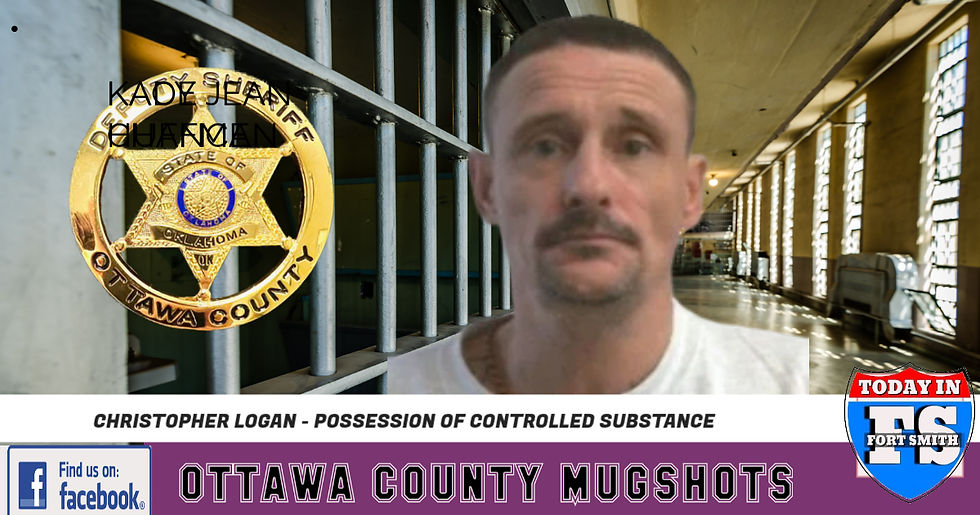
Our Arklahoma Heritage: A Haskell County native sculpted his way to regional fame, producing native art
- Dennis McCaslin

- 3 hours ago
- 2 min read

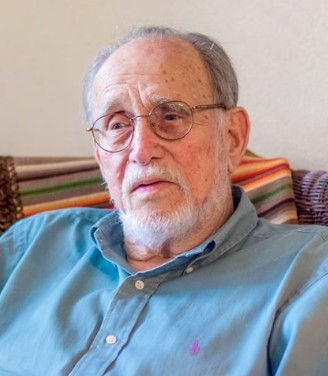
Born on November 3, 1926, in the small Choctaw Nation community of Kinta in Haskell County, Charles Arthur Pebworth inherited deep Native roots and an artist’s eye. Though enrolled as a member of the Choctaw Nation, he spent much of his childhood on the Osage Reservation in Pawhuska, where his father worked for the Indian Agency.
Those Depression-era years amid the rolling hills and tribal lands of eastern Oklahoma instilled in him a lifelong sensitivity to nature, heritage, and the spiritual power of place.
After serving in the Navy (briefly, as A teenager) and later in the Army during the Korean War, Pebworth pursued formal art training. He studied at Baylor University, the University of Oklahoma, earned a B.F.A. in painting from the University of Houston in 1955, and completed an M.F.A. in sculpture at Louisiana State University in 1957.
Along the way, he met fellow art student Nona, whom he married in 1953; the couple remained devoted partners for more than 65 years.
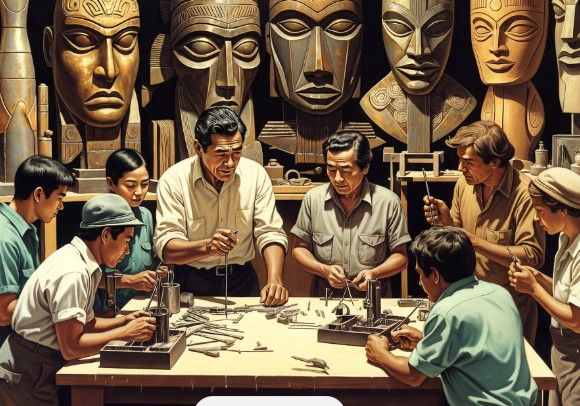
In 1957, Pebworth joined the faculty of Sam Houston State University in Huntsville, Texas.
Over the next 36 years he built one of the strongest sculpture programs in the state from the ground up. A hands-on mentor who encouraged bold experimentation, he influenced generations of artists. He became renowned for large-scale abstract relief sculptures crafted from welded metal, wood, cast bronze, and marble.
His works often blended modernist forms with subtle references to the natural world and Native American imagery -- totems, shrines, and organic rhythms drawn from his Oklahoma upbringing.
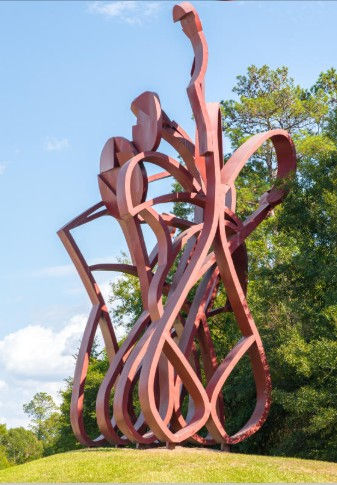
Public commissions soon followed, including a monumental 50-foot metal relief for the Hyatt Regency Hotel in Houston and signature pieces at The Woodlands, Huntsville City Hall, and many other locations.
In 1987 the Art League of Houston named him Texas Artist of the Year. By the time he retired from Sam Houston State University in 1993, Pebworth had produced thousands of works and helped define contemporary sculpture in Texas.
Even in retirement, he never stopped creating. Charles and Nona moved to Fayetteville, where he maintained a studio and continued making watercolors and sculptures well into his nineties.
He passed away on January 10, 2019, at age 92.
Pebworth’s story is one of quiet perseverance and cultural bridge-building. From the red dirt of Haskell County to the steel and stone of Texas public spaces, his art carried the spirit of his Choctaw and Osage heritage into the modern world.
Today his sculptures continue to grace buildings and collections across the South and beyond, while the sculpture program he founded at Sam Houston State University still shapes new generations of artists.