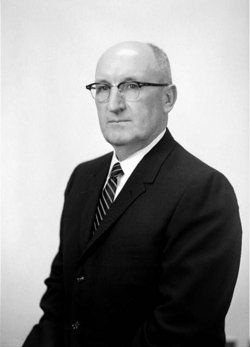
Our Arklahoma Hereos: A memeber of the elite Army Rangers die during the assault on Omaha Beach in 1944


S

Sammie Adkins was born on July 30, 1921, in Oklahoma, the second oldest of nine children of Oscar Millard Adkins and Mary Elizabeth Smith Adkins.
Oscar, born in 1887, and Mary, born in 1897, raised their large family in the rural stretches of Cherokee County near Hulbert, a small community rooted in farming and close family ties.
The Adkins household later spent time in Salina over in Mayes County, but the heart of their story stayed tied to the Cherokee County soil.
Like many farm kids of that generation, Sammie left school after the fifth grade to help with the daily work that kept a big family going through the lean years of the 1920s and 1930s.

Life in those parts meant long days in the fields, chores before and after whatever schooling could be managed, and the steady rhythms of rural Oklahoma.
Brothers and sisters filled the home. Among them were Daniel Doyle Adkins, born in 1919 in Hulbert, who would later serve in the Army himself during the war, and others who carried the family name forward.
The parents lived into the postwar years, Oscar until 1966 and Mary until 1955, long enough to know the cost of the sacrifice their son made.When war came, Sammie stepped forward.

On November 17, 1942, at age twenty-one, he enlisted in the United States Army from Oklahoma, taking service number 38322691. He trained hard and volunteered for the Rangers, eventually landing in Company C of the 2nd Ranger Battalion. That elite unit prepared for the toughest missions ahead, including the amphibious assault planned for the coast of France.

On the morning of June 6, 1944, Company C, under Captain Ralph E. Goranson, formed Force B with a clear and dangerous assignment. While other Rangers targeted Pointe du Hoc, Company C was to land on the Charlie sector of Omaha Beach, cross the open sand under fire, scale the cliffs at Pointe de la Percée, knock out the German machine guns and mortars that threatened the western flank of the beach, and then push toward a link-up farther west.
The landing craft reached the shore around 6:45 a.m. German artillery, mortars, machine guns, and rifles tore into the boats and the men the moment they arrived. One craft took multiple hits. Men fell before they could even leave the ramps. T
Those who made it onto the beach faced nearly three hundred yards of exposed ground at low tide. Casualties climbed fast. Roughly half the company was gone by the time the survivors reached the base of the cliffs.
Only a small group, nine or a dozen still able to fight, managed the climb, cleared the positions on top, and pressed on.S
ammie Adkins was among the dead that morning. Records list him as killed in action with a head wound. At twenty-two years old, he fell during the brutal fight from the waterline toward the cliffs, one of the twenty-one to twenty-three Rangers from Company C who did not live through the day. His body was later brought home.

The family chose burial in Lost City Cemetery in Lost City, Cherokee County, Oklahoma, among kin. His name stands first on the Rangers memorial plaque at the Pointe du Hoc Visitor Center in Normandy, a quiet marker of the Oklahoma farm boy who crossed an ocean and gave everything on the first day of the liberation of Europe.