Our Arklahoima Heritage: Wilson Rawls captured the essence of rural Oklahoma Depression-era tales in his novels
- Dennis McCaslin

- Jun 6
- 3 min read


Wilson Rawls was born Woodrow Wilson Rawls on September 24, 1913, in the rural community of Scraper in Cherokee County, the son of Minzy Oral Rawls and Winnie Davis Hatfield Rawls. H
is mother carried Cherokee ancestry, and the family lived on land allotted to her under federal policies that distributed Cherokee Nation holdings to individual citizens.
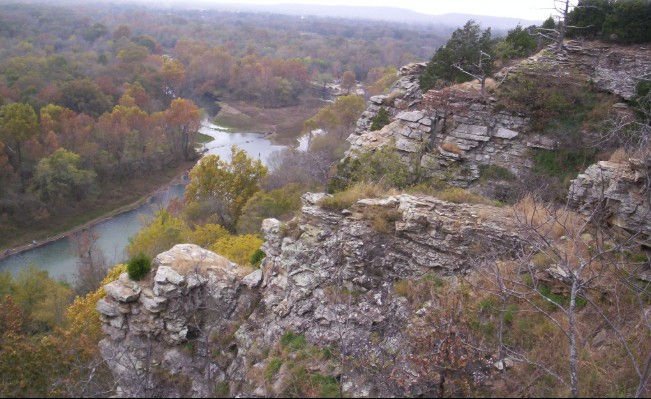
That farm along the Illinois River, about 13 miles northeast of Tahlequah, formed the foundation of his early world, where he and his siblings learned resourcefulness amid modest circumstances.
With no school nearby in those initial years, Winnie Rawls taught her children to read and write at home, drawing on books supplied through family connections to a small general store. Rawls absorbed adventure tales, and Jack London's The Call of the Wild left a lasting mark, planting the idea that he might one day write stories drawn from the hills and creeks around him.
When a school eventually opened, the children crossed a river to attend, but his formal education remained limited to about four years before economic pressures pulled him into the workforce.
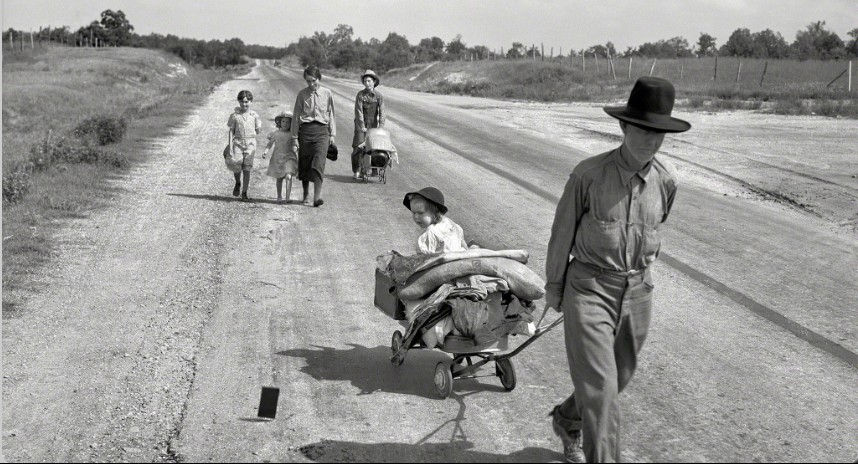
The Great Depression disrupted the family when Rawls was sixteen. They set out for California in search of opportunity, but their vehicle broke down near Albuquerque, New Mexico. His father found work at a toothpaste factory, and the children gained more regular schooling there for a time.
Rawls soon left to take on whatever labor he could find, traveling widely as a carpenter and construction worker across the United States, Mexico, South America, and Alaska, including a stint on the Alcan Highway. Those years of movement and manual work supplied a store of observations that later fed his writing, though he kept his literary efforts mostly private.

He completed several manuscripts over time but remained dissatisfied with his grammar and spelling. In 1958, while employed by the Atomic Energy Commission in Idaho, he met Sophie Ann Styczinski. On the night before their wedding he burned all his existing pages, convinced they held no value.
Sophie learned of his long-held ambition and urged him to try again. He rewrote one story from memory in about six weeks, and with her assistance refining the language and structure, it gained traction. Serialization appeared in the Saturday Evening Post in 1961 under the title The Hounds of Youth before Doubleday released it as Where the Red Fern Grows later that year.

The novel drew directly from his Oklahoma childhood, following a boy named Billy Coleman who saves for and trains two redbone coonhounds in the Ozark foothills.
His second and final novel, Summer of the Monkeys, arrived in 1976. Set in a similar northeastern Oklahoma landscape during the early twentieth century, it centers on a boy named Jay Berry Lee whose discovery of a tree full of escaped circus monkeys leads to adventures involving family, determination, and unexpected rewards.
Like its predecessor, the book reflected Rawls's experiences with rural life, animals, and the interplay of hardship and wonder.
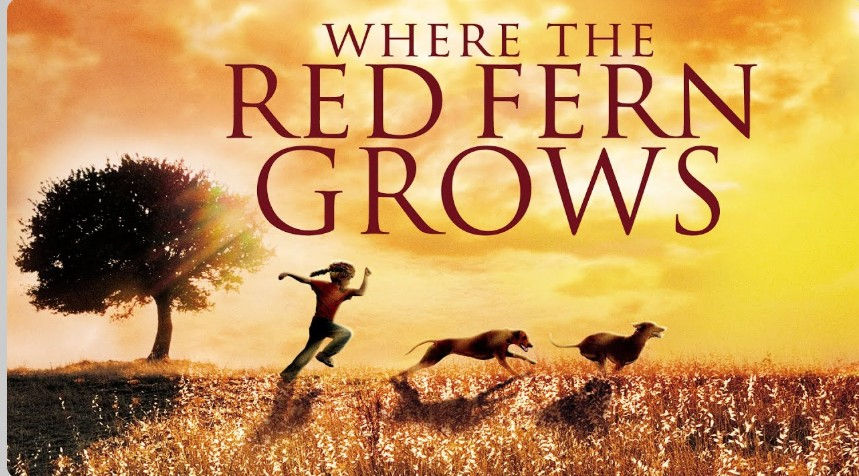
The 1974 film adaptation of Where the Red Fern Grows, directed by Norman Tokar and produced by Lyman Dayton under Doty-Dayton Productions, was shot on location in Cherokee and Adair counties, including areas around Tahlequah, Vian, the Whitehouse River Ranch, and Natural Falls State Park.
James Whitmore portrayed the grandfather, Beverly Garland the mother, and Stewart Petersen the young Billy Coleman, with Jack Ging as the father. Rawls himself provided the uncredited narration, lending an authentic voice to the Depression-era tale.

Released in June 1974 after a premiere in Salt Lake City, the film captured the local terrain and community feel on a budget of about $750,000 and reached a broad audience.
In his later years Rawls and Sophie lived in various places, including Wisconsin, as he dedicated time to visiting schools and libraries nationwide. He spoke to thousands of students about his path from limited schooling and itinerant labor to authorship, emphasizing persistence and the rewards of reading.
Letters from readers filled his files, many now preserved in Tahlequah collections. The Tahlequah Public Library received designation as a Literary Landmark in his honor, and exhibits at the Cherokee National History Museum display manuscripts, memorabilia, and ties to the film.
He died on December 16, 1984, in Marshfield, Wisconsin.
Through his books and their adaptations, Rawls preserved a slice of early twentieth-century Arklahoma life rooted in the hills of Cherokee County, connecting generations of readers to the land and experiences that shaped him


