Cold Case Files: The 1999 disappearance of Sheryl Jacquot involves multi-faceted jurisdictions in two states
- Dennis McCaslin

- Jul 19
- 4 min read


Sherryl Lynn Jacquot, a 42-year-old Native American woman, was last heard from on July 3, 1999. She has been missing from Stilwell in Adair County, Oklahoma, ever since and is classified as an endangered missing person with foul play strongly suspected.
The last time her family saw her was on June 23, 1999, when she visited her mother’s home in Oklahoma City to borrow money. Her mother and sister noticed she had serious injuries, including a large cut on her lower back and a deep cut on the instep of her right foot. Sherryl told them she had gotten into a fight with her boyfriend and fallen into a glass-topped coffee table. They urged her to seek medical treatment, but she refused.
Sherryl lived in a trailer along Highway 100 in Stilwell. She did not have her own phone and used a nearby grocery store for calls.
On July 3, 1999, her teenage daughter, who was living with relatives in Pennsylvania, tried to reach her at the store but could not. Later that same day, Sherryl called her mother from an unknown number in Fort Smith. She said she would drive to Oklahoma City to repay the borrowed money, but she never arrived.
It was not unusual for Sherryl to go long periods without contacting family, so they were not immediately alarmed. That changed in January 2000 when her mother received a call from a family friend who had heard a rumor that Sherryl was dead.
When family members went to her trailer on Highway 100, they found it dilapidated and apparently unoccupied for some time. Her dogs were still there, thin and unfed. Her small off-white Datsun pickup truck has never been located.
At the time of her disappearance, Sherryl was involved in a rough social circle known for drug activity and was in an abusive relationship. She is described as a Native American female, 5’5” to 5’8” tall, weighing 115–130 pounds, with black hair (possibly with red or brown highlights) and brown eyes. She had a Harley tattoo on her left forearm and Harley wings on her right hip.
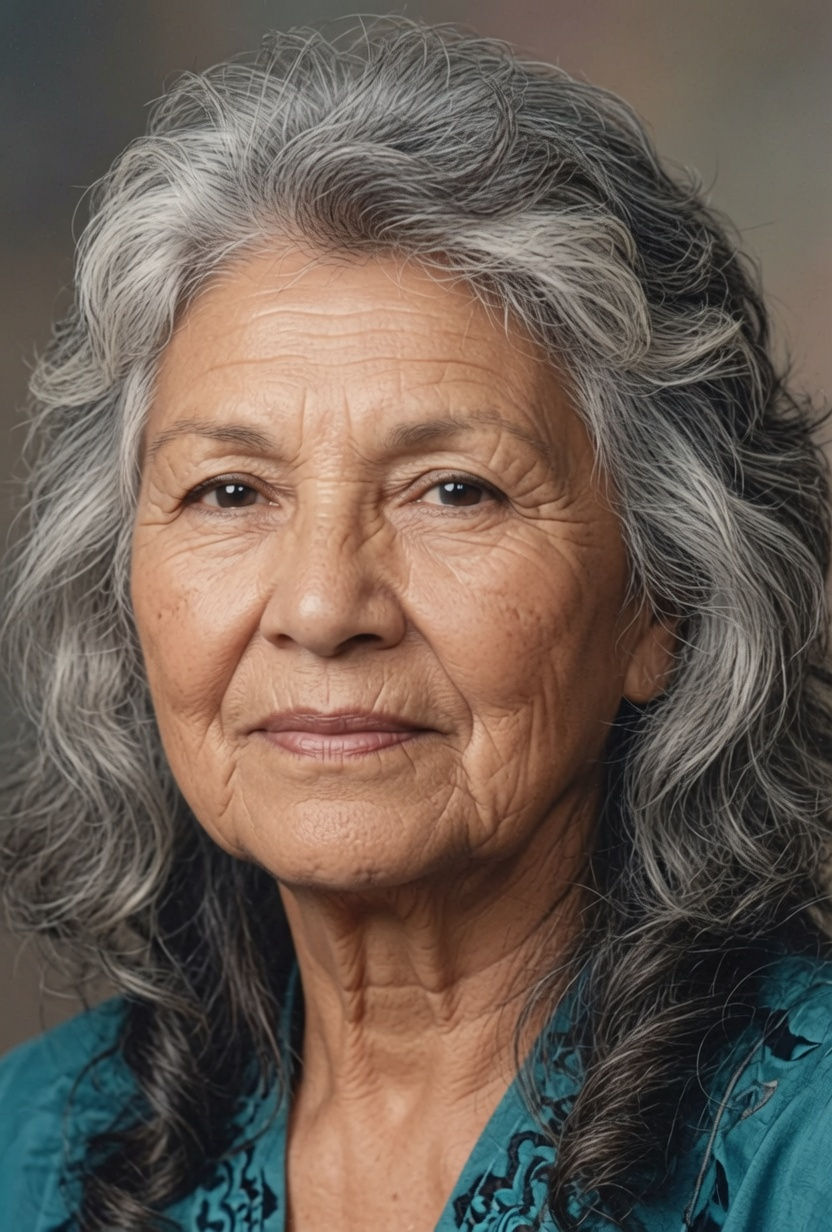
She often wore western-style blue jeans, white sneakers (possibly Reebok), or cowgirl boots. She may have used the last name Shade and had previously broken ribs, possible head injuries, and extensive dental work on her teeth and jaw.
Sherryl Lynn Jacquot’s case remains unsolved. The Adair County Sheriff’s Department is the investigating agency and can be reached at 918-696-3477.
Anyone with information is urged to contact them or submit tips through NamUs. Her story is one of many in Oklahoma’s Missing and Murdered Indigenous People crisis, and her family continues to seek answers more than 27 years later.On a summer day in 1999, Sherryl Lynn Jacquot, a 42-year-old Native American mother, vanished from Stilwell in Adair County. More than 27 years later, her case remains unsolved, emblematic of the Missing and Murdered Indigenous People crisis that continues to plague Oklahoma and Indian Country.

Sherryl was last heard from around July 3–5, 1999. She called her mother from an unknown number in Fort Smith, promising to drive to Oklahoma City to repay borrowed money. She never arrived. Family members last saw her about a week earlier in Oklahoma City, where she had come to borrow cash.
They noticed injuries including a deep cut on her back and another on her right foot. Sherryl attributed the wounds to falling into a glass-topped table during an argument with her boyfriend, but she refused medical treatment.
She lived in a trailer along Highway 100 in Stilwell. When concerned relatives checked on her, the trailer was found abandoned. Her dogs were still inside, thin and unfed. Her small off-white Datsun pickup truck was also missing and has never been recovered.
At the time, Sherryl was described as being involved in a rough social circle with known drug activity and trapped in an abusive relationship. Those close to her believed she may have been attempting to leave that situation. Her family reported her missing in late 1999 or early 2000 to the Adair County Sheriff’s Office.

At the time of her disappearance, Sherryl was 42 years old with a DOB of October 28, 1956. She was described as 5’5” to 5’8” tall, with brown eyes and black hair that sometimes had red or brown highlights. She had distinctive tattoos, including a Harley design on her left forearm and Harley wings on her right hip. She often wore western-style jeans, white sneakers, or cowgirl boots.
The Fort Smith phone call is one of the few concrete leads. . No public reports confirm sightings of Sherryl or her vehicle in the Fort Smith area after the call. Law enforcement at the time found few additional leads despite signs of potential foul play tied to domestic issues.
Sherryl’s case highlights systemic challenges in MMIP investigations, including jurisdictional complexities between tribal, state, and federal authorities, as Adair County includes Cherokee Nation lands, underreporting, and historical mistrust.
Oklahoma ranks among the highest states for MMIP cases. In 2024, 86 Indigenous cases were reported in the state alone.

Oklahoma has taken steps forward with Ida’s Law in 2021, which funds a specialized MMIP investigative unit working alongside the Bureau of Indian Affairs’ Missing and Murdered Unit and the Oklahoma State Bureau of Investigation Cold Case Section
. However, for families like Jacquot’s, progress has been slow. No arrests have ever been made in Sherryl’s disappearance. Her case is considered involuntary and suspicious, with foul play strongly suspected.
If you have any information about Sherryl Lynn Jacquot’s disappearance, contact the Oklahoma State Bureau of Investigation Cold Case Unit at cold.case@osbi.ok.gov, the Bureau of Indian Affairs Missing and Murdered Unit, or the Adair County Sheriff’s Office.
Sherryl Lynn Jacquot’s story endures as one of haunting silence--a mother, daughter, and woman who loved the freedom symbolized by her Harley tattoos but never found safety.
Her family continues to seek answers and closure. In the fight for justice for Indigenous women, every name spoken keeps the light on for those still waiting.


