Cold Case Files: Ambrose-Terry-Waggoner feud in the 1880's saw numerous killings in Carroll County
- Dennis McCaslin

- Jun 6
- 3 min read


In the picturesque hills and hollows along the Arkansas-Missouri border in the late 1880s, a cycle of violence known as the Ambrose-Terry-Waggoner feud unfolded in Carroll County and neighboring Stone County. This conflict, rooted in the lawless aftermath of the Civil War, claimed multiple lives through ambushes, shootings, and acts of revenge.
Many of those deaths remain unresolved in the historical record, qualifying aspects of the feud as enduring cold cases marked by unclear motives, unpunished perpetrators, and fragmented justice.
The region had long struggled with weak law enforcement, horse theft, and lingering tensions from guerrilla warfare. Families such as the Terrys, Ambroses, and Wagoners found themselves entangled in a web of personal grudges that escalated into open bloodshed.
The exact origins of the animosity have never been fully established by historians or contemporary accounts, leaving one of the primary cold case elements intact. Researchers point to possible disputes over land, livestock, or perceived slights, but no single spark fully explains the sustained retaliation that followed.

One pivotal incident occurred around December 1, 1887, near the home of Missouri H. Wilder in Polo Township, Carroll County, just a quarter mile from the state line.
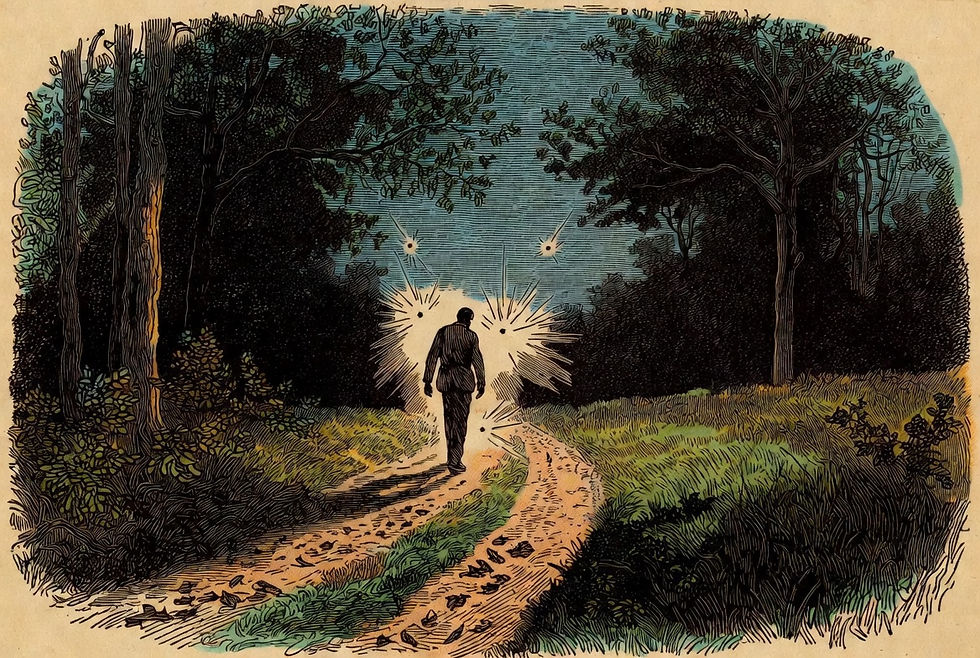
Cul Garrett, an ally of the Terry family, rode along a rural road when he was ambushed by Grant Wagoner, then about 20 years old, and one of the Ambrose brothers.
Garrett dismounted and returned fire from behind a tree, killing Grant Wagoner in the exchange.
As the gunfire continued, Frank Ambrose arrived on the scene and mortally wounded Garrett, who managed to reach Wilder's home before dying later that evening.

More than 20 shots were fired in the roughly 15-minute confrontation. Frank Ambrose survived a minor wound, but the event triggered further retaliation and legal proceedings.
This roadside gunfight formed part of a larger pattern. Earlier in November 1887, John Meek was ambushed and shot four times near his home in the same general area at dusk.
Authorities suspected revenge for Meek having previously shot a member of the Terry family, yet the assassins remained unidentified, and no convictions resulted. Similar unsolved ambushes targeted other participants, including multiple members of the Terry family killed from hiding. Reports from the time indicated around 10 deaths in the neighborhood connected to the feud, with little or no legal punishment for those responsible.
The Terry brothers, including Isaac Jackson, Joseph Joel, Miles Monroe, John Richard, and Napoleon Bonaparte, faced repeated accusations of robbery, horse theft, and murder. Allied at times with certain associates, they clashed with the Ambrose family, sons of Henry Clark Ambrose, and the Wagoners.
Legal records show numerous indictments for first-degree murder, assault, and arson in Carroll County courts. Cases dragged through continuances, changes of venue to counties such as Madison, and occasional acquittals, such as that of Miles Terry in 1889. Some charges ended in mistrials or dismissals, while defendants posted bonds only to see them forfeited as individuals fled across state lines or into Indian Territory.
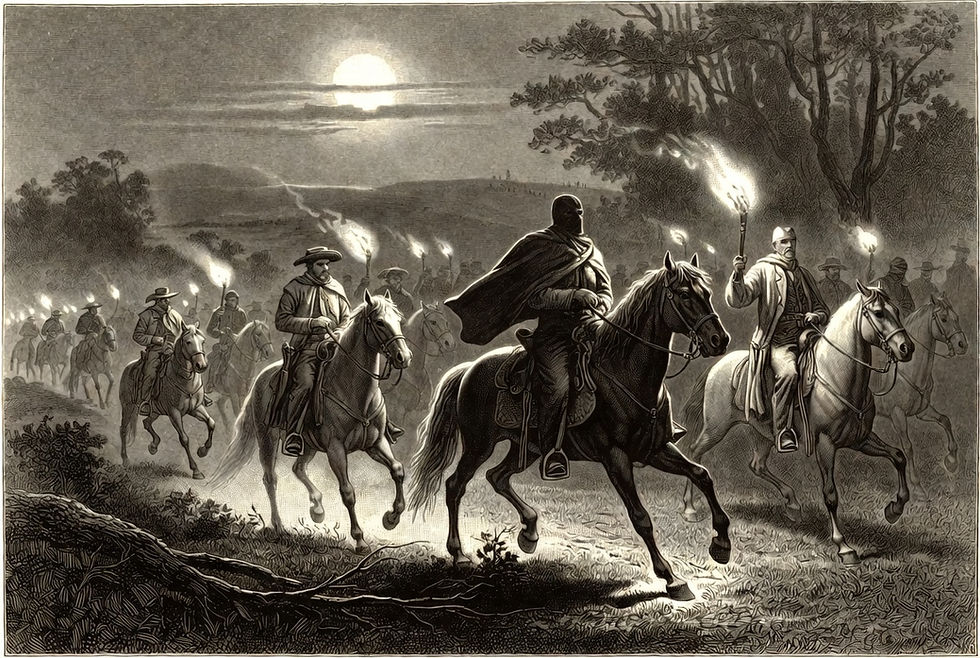
Vigilante groups stepped into the vacuum left by ineffective formal justice. A vigilance committee drove the Terrys from Stone County, Missouri, heightening the sense of lawlessness. Night riders and posses enforced their own version of order, further blurring the lines between victim and perpetrator. One later killing tied to the extended conflict occurred on July 4, 1895, when John Ambrose was shot by F. S. Helt, adding to the tally of unresolved violence that spanned more than a decade.

The cold case dimensions of this feud stand out even today. Without modern tools such as DNA analysis or centralized records, many killings dissolved into a fog of conflicting witness statements and family lore.
Court documents and newspaper reports from outlets including the Daily Arkansas Gazette captured the chaos but left critical questions unanswered: Who fired the first fatal shot in the earliest clashes? How many deaths were directly linked versus opportunistic crimes amid the disorder? T
he absence of thorough investigations allowed participants to evade full accountability, a common outcome in the post-Reconstruction Ozarks where personal justice often prevailed over the courts.
Local historians and genealogists have pieced together details through family Bibles, cemetery records such as those at Blackjack Cemetery near Berryville, and scattered legal filings. Yet the complete picture remains elusive, inviting ongoing inquiry. This chapter of Carroll County history reflects broader patterns of borderland feuds, where cycles of revenge thrived in isolated communities far from reliable authority.
For residents of western Arkansas and eastern Oklahoma, stories like this one connect modern communities to the hardships faced by their ancestors. They underscore the value of preserving oral histories and archival materials before they fade entirely. The Ambrose-Terry-Waggoner feud endures not only as a tale of violence but as a reminder of how many threads of the past still await resolution.


